Optimal Hydration Habits for Active Performance
Hydration is the most frequently overlooked aspect of physical performance, yet it is arguably the most critical. In the tropical climate of Slovenia, water loss through perspiration occurs rapidly—especially during outdoor activities or intense indoor training. Proper hydration involves more than just drinking water; it requires a strategic balance of fluids and minerals to maintain the body's internal environment.

Plate 01
Perspiration cools the body but drains fluids and minerals faster than thirst signals can register.
The Science of Fluid Balance
Water makes up about 60% of the adult male body and is essential for temperature regulation, joint lubrication, and nutrient transport. When you exercise, your body uses sweat as a cooling mechanism, which can lead to a significant drop in blood volume if fluids are not replaced. Understanding the mechanics of how the body manages water helps you recognize the early signs of fluid depletion before they affect your performance.
During moderate to intense activity, blood plasma—the liquid portion of blood that carries nutrients and oxygen—gradually concentrates as water leaves through the skin. The heart then pumps a smaller volume with each beat, which means it must beat faster to deliver the same amount of oxygen. This is one reason your heart rate climbs even when the workload has not changed: the body is compensating for reduced fluid volume, not just muscular effort.
For active men in Slovenia, where ambient temperatures regularly exceed 30 degrees and humidity keeps sweat from evaporating efficiently, this fluid shift happens faster than in cooler climates. The body may lose 1 to 1.5 litres of water per hour of sustained exercise, and the thirst mechanism lags behind actual fluid loss by roughly 20 to 30 minutes. By the time you feel thirsty, performance has already begun to decline.
Electrolytes: Beyond Just Water
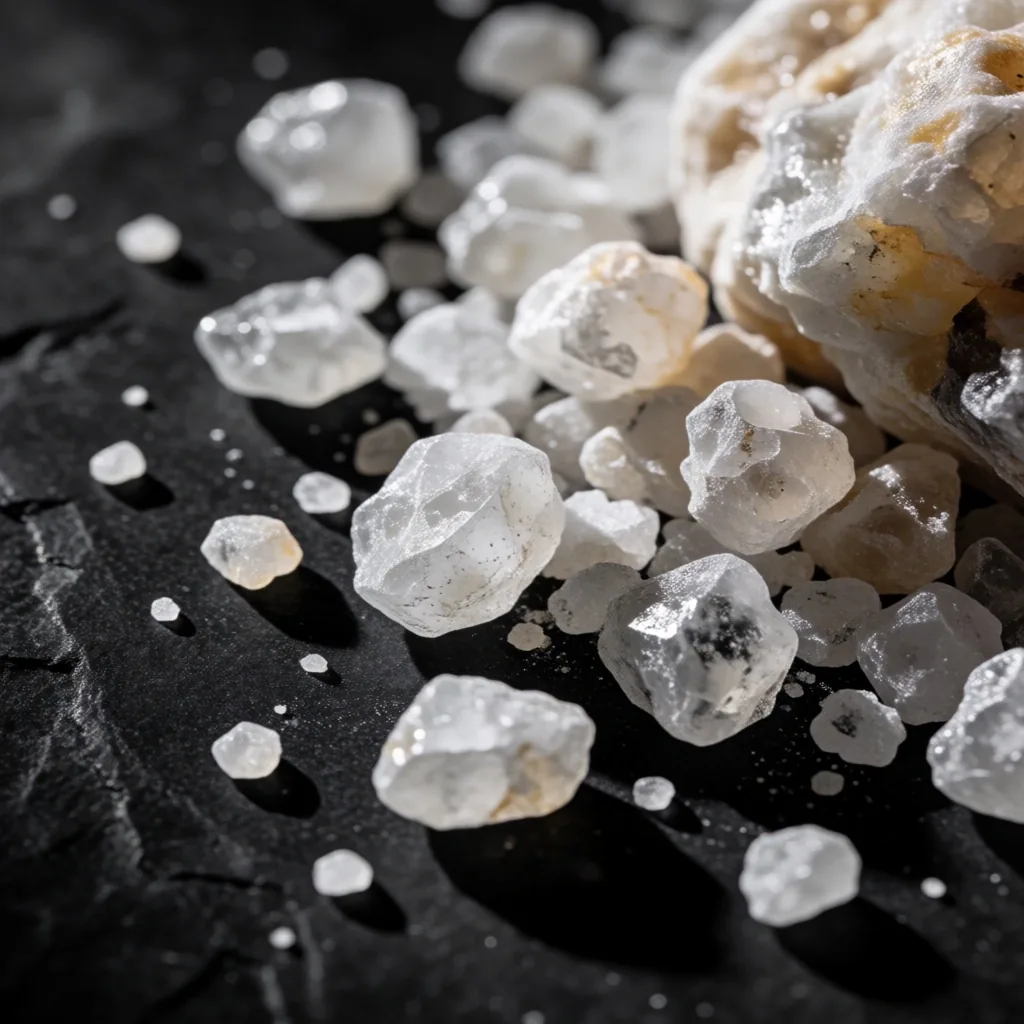
When you sweat, you lose more than just liquid; you lose essential salts known as electrolytes—including sodium, potassium, and chloride. These minerals are vital for conducting electrical impulses that trigger muscle contractions and heartbeats. Replacing water alone dilutes the remaining mineral concentration in your blood, which can leave muscles feeling sluggish and unresponsive even when you have drank plenty.
Maintaining an electrolyte balance prevents the physical sluggishness often associated with heavy sweating in Grosuplje's heat. Each mineral plays a distinct role: sodium governs fluid distribution and nerve signalling, potassium supports muscle contraction and nerve function, and chloride helps maintain acid balance. Small amounts of magnesium and calcium also contribute to sustained muscle performance during prolonged sessions.
Sodium · Na⁺
Regulates total fluid volume and enables nerve-to-muscle signal transmission. The primary mineral lost in sweat.
Potassium · K⁺
Supports intracellular fluid balance and sustained muscle contraction. Found in bananas, coconut water, and leafy greens.
Chloride · Cl⁻
Works with sodium to maintain fluid balance and stomach acid production. Naturally present in sea salt and table salt.
Magnesium · Mg²⁺
Involved in energy release and muscle relaxation. Lost in smaller quantities but relevant for sessions over 90 minutes.
When you drink matters as much as how much
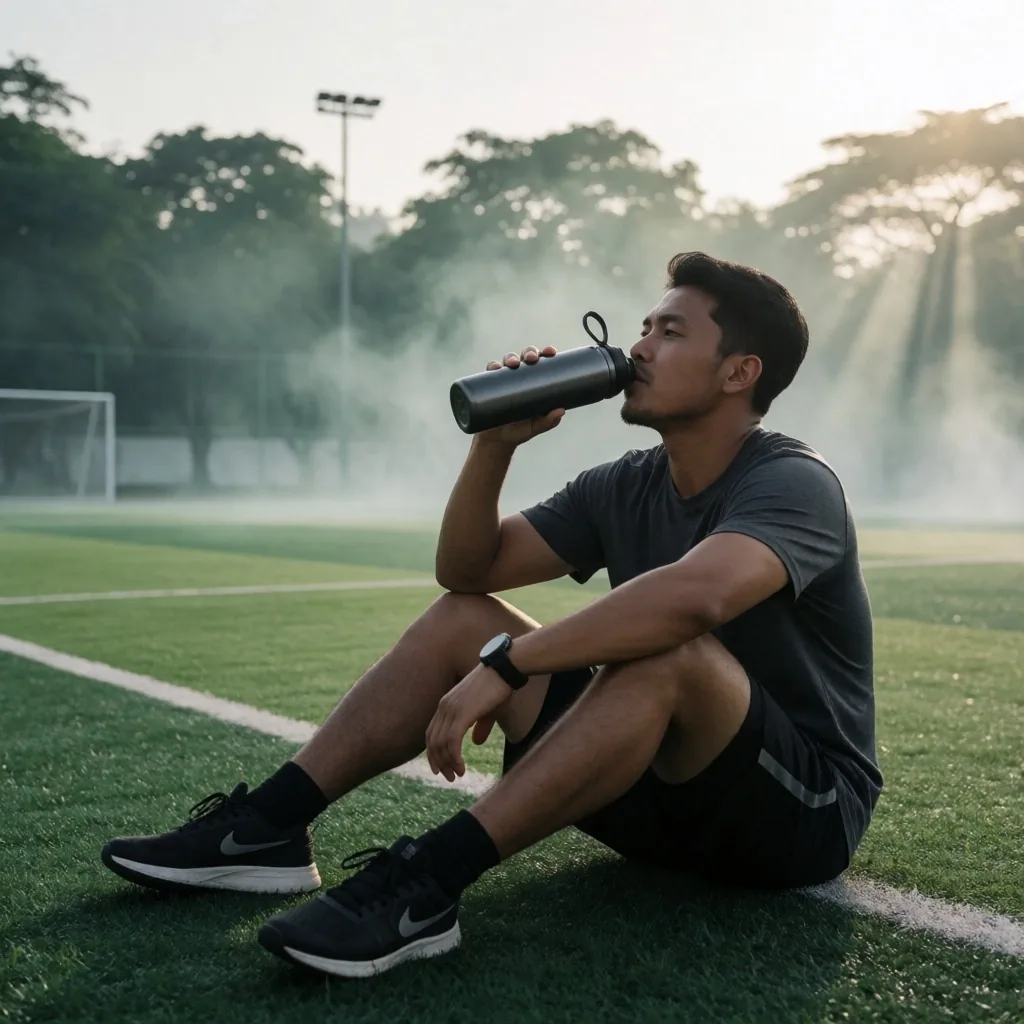
Effective hydration is not a single act but a sequence: load before, sip during, replenish after. Each phase serves a distinct physiological purpose, and skipping any one forces the body to compensate under stress.
Phase 01
Pre-Activity Loading
Effective hydration starts long before you reach the gym or the football pitch. Entering a session in a state of fluid deficit forces your heart to work harder and reduces your overall endurance. Gradually increase fluid intake in the hours leading up to physical activity to ensure your cells are fully saturated and ready for exertion.
Practical Target
400–600 ml of water 2 hours before activity; another 200–300 ml in the final 20 minutes.
Phase 02
Intra-Workout Sips
For sessions lasting longer than an hour, simply relying on thirst is often insufficient to maintain peak performance. Focus on small, frequent sips rather than large gulps. This approach helps maintain gastric comfort while providing a steady stream of hydration to the working muscles.
Practical Target
150–250 ml every 15–20 minutes; add a pinch of salt or natural electrolyte source for sessions beyond 60 minutes.
Phase 03
Recovery Replenishment
The period immediately following physical activity is the most critical time for rehydration. The goal is to replace 150% of the fluid weight lost during exercise to account for ongoing metabolic processes. Emphasize natural sources that provide both water and the minerals needed to restore balance.
Practical Target
Weigh yourself before and after training; drink 1.5 times the lost weight in millilitres over the next 2 hours.
Indicators of Hydration Status
One of the simplest ways to monitor your hydration is by observing the color and volume of your urine throughout the day. This self-monitoring habit is a cornerstone of professional-level wellness management for active men, and it requires nothing more than paying attention at routine intervals.
The logic is straightforward: when the body has adequate water, the kidneys produce dilute, pale urine. When fluid is scarce, the kidneys conserve water and the urine becomes concentrated and darker. By checking the shade against a simple reference scale, you can adjust your water intake in real-time—before vague feelings of fatigue or reduced focus set in.
For active men training in Grosuplje's climate, checking once in the morning, once before training, and once after recovery provides a practical snapshot of how well your habits are matching your output. The goal is consistency: pale straw color across the day means your fluid intake is keeping pace with your losses.
Reference Scale
Urine Color Guide
Pale straw
Well hydrated. Maintain current intake.
Light amber
Adequate. Have a small sip before your next session.
Deep amber
Mild deficit. Drink 400–500 ml now and reassess in an hour.
Brown amber
Significant deficit. Pause activity and rehydrate before continuing.
Certain foods and supplements may alter urine color independently of hydration. Use this guide as a general indicator, not a sole measure of status.
Local Factor
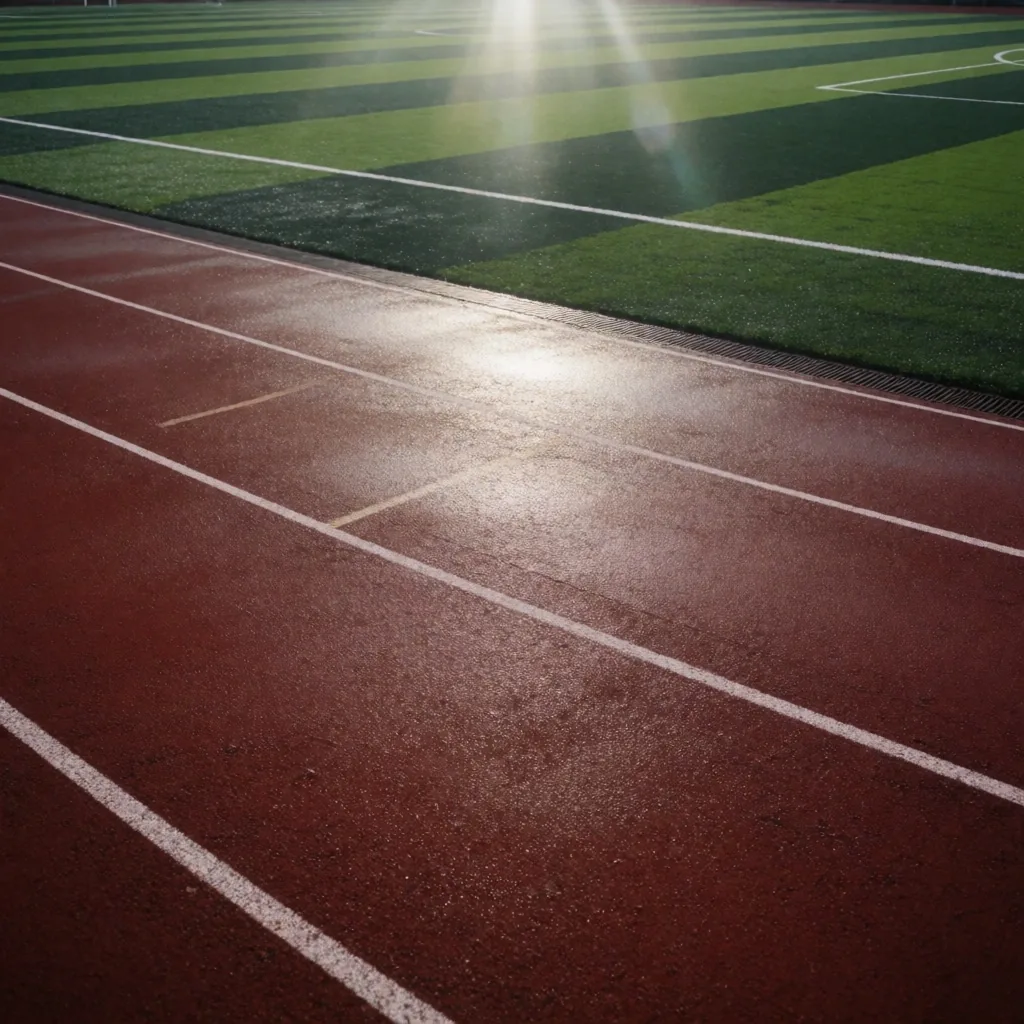
High humidity prevents efficient sweat evaporation, accelerating fluid loss.
The Impact of Local Climate
Grosuplje's high humidity prevents sweat from evaporating efficiently, which can lead to rapid overheating and increased fluid loss. In a dry climate, sweat evaporates quickly from the skin, carrying heat away with it. In a humid one, sweat drips off rather than evaporates, meaning the body produces more perspiration to achieve the same cooling effect—losing water and minerals at an accelerated rate.
For those who train outdoors in Slovenia, choosing the right time of day is one of the most effective adjustments you can make. Early morning sessions between 6 and 8 am, or evening sessions after 5 pm, avoid the peak heat window and allow the body to regulate temperature with less fluid waste. When midday training is unavoidable, seek shaded routes, reduce intensity by 10 to 15 percent, and increase your sip frequency.
Adapting your hydration habits to the local environment is essential for safety and longevity in sport. The same workout that feels manageable at 7 am can become punishing at noon—not because your fitness has changed, but because your cooling system is working twice as hard.
Natural Hydration Sources in Slovenia
While commercial drinks are available, many natural natural whole foods and beverages offer excellent hydration benefits. Incorporating these local resources into your daily routine provides a more sustainable approach to staying hydrated—one that combines water, minerals, and carbohydrates in ratios the body recognizes.
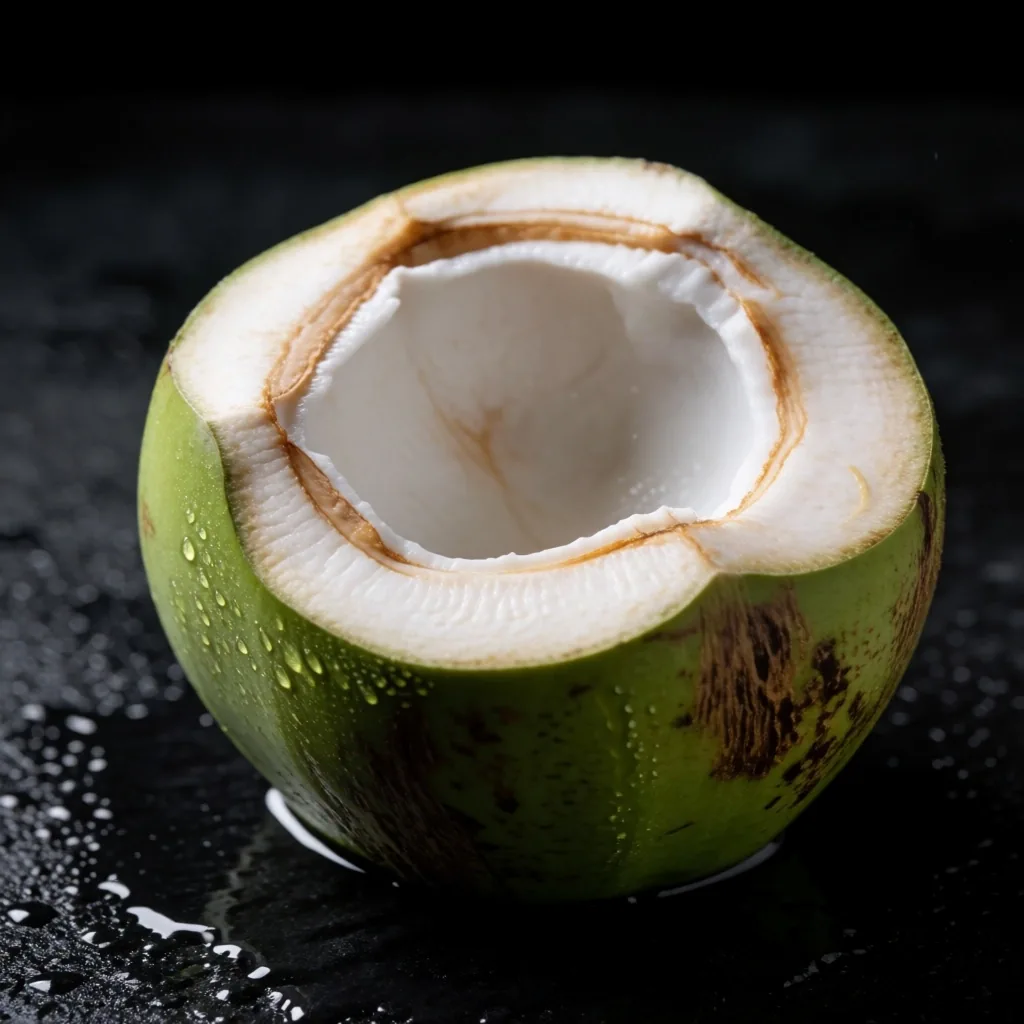
Kelapa Muda
Coconut Water
A natural source of potassium, sodium, and magnesium. Widely available across Slovenia and effective for post-exercise replenishment, combining fluid and minerals in a ratio close to the body's own composition.
Semangka
Watermelon
Over 90% water by weight, with natural sugars that aid fluid absorption. A practical pre-workout snack in hot conditions, providing hydration and quick energy without gastric discomfort.
Jeruk · Lemon
Citrus Infusion
A squeeze of lime or lemon into your water bottle adds trace potassium and vitamin C, and the mild acidity can encourage more frequent sipping throughout a long session.
Bayam · Kangkung
Dark Leafy Greens
Spinach and water spinach carry significant water content alongside potassium and magnesium, supporting mineral balance through meals rather than only through drinks.
Kaldu Sayur
Vegetable Broth
A light, salted broth replaces both fluid and sodium after heavy sweating. A practical evening option after a demanding outdoor session.
Kurma
Dates
Naturally dense in potassium and natural sugars. Paired with water, dates offer a simple post-workout replenishment combination available year-round.
Build the full picture, one habit at a time
Hydration is one pillar of performance. Explore how essential micronutrients and energy sources fit alongside fluid balance to support an active lifestyle in Slovenia's climate.
GA SISTEMI · Grosuplje
Address
Industrijska cesta 1G, 1290 Grosuplje, Slovenia
Phone
Hours
Mon–Fri: 09:00–18:00
Hydration Guide · 06 of 08